
Disenfranchised Grief: The Pain of an Invisible Loss
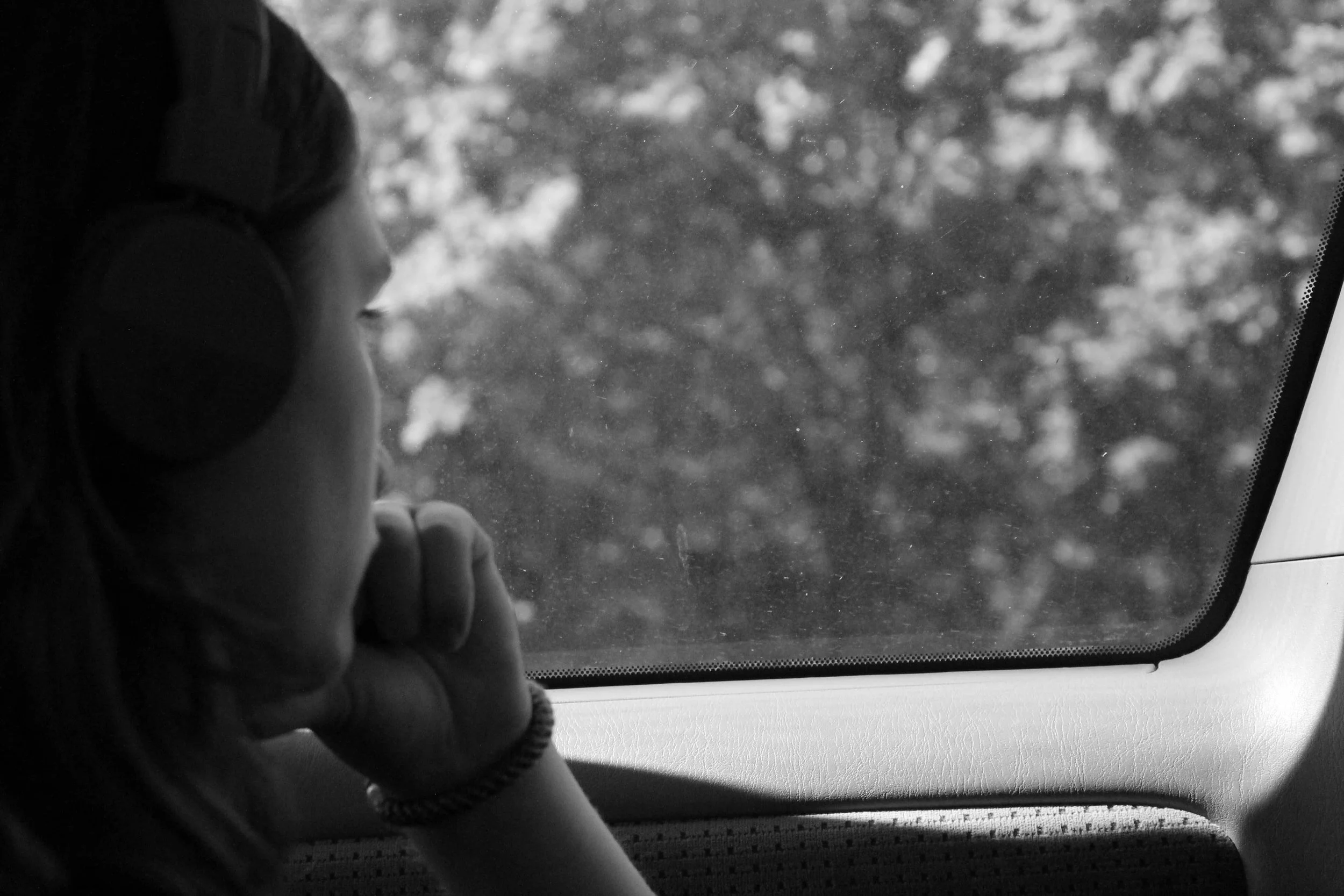
Disenfranchised grief is grief that isn't openly acknowledged, socially supported, or publicly mourned. The term was coined by grief researcher Kenneth Doka to describe losses that fall outside what society treats as "real" grief, even when the pain is very real.
The Grief That Doesn't Come With a Funeral
We tend to understand grief in the context of death. When someone you love dies, there's a kind of script the world follows: people bring food, you take time off work, and everyone around you understands that you need space to grieve.
But many of the losses that bring people into my office don't come with any of that. In my practice, some of the most common forms of disenfranchised grief include:
Estrangement from a family member. Clients who have chosen to distance themselves from family or end contact completely. The loss is real, but because it looks like a "choice," people expect you to just move on.
Grief around traumatic childhoods. Mourning the safe, supportive upbringing you didn't have. There's no specific event to point to, so it can feel hard to justify the sadness.
A parent or family member who can't show up the way you need them, because of mental illness, chronic illness, or addiction. They're still here, but the relationship you hoped for isn't possible.
The end of a close friendship. A person who was part of your daily life is gone, and no one around you treats it like a loss. There's no framework for mourning a friendship, so most people grieve it alone.
Deaths that carry stigma or complexity. Losing someone to suicide, losing an estranged family member, or losing an ex-partner. These deaths come with layers of guilt, ambivalence, and confusion that can make it harder to grieve openly.
Doka's framework identifies five categories of disenfranchised grief: unrecognized relationships, unacknowledged losses, excluded grievers, stigmatized deaths, and invalidated grief expression.
Why This Kind of Grief Hurts Differently
When grief is recognized, people give you grace. They check in, lower their expectations, give you time.
When it isn't, people still expect you to show up as a good friend, perform at your highest standard at work, and move through the world the way someone who isn't grieving would. You're carrying the full weight of a loss without any of the support that normally comes with one.
Often, the things people say make it harder.
"But you chose to cut them off."
"At least they're still alive."
"Maybe it’s time to move on?"
Most of the time, people offer these words because they feel helpless and want to say something useful. But for the person who is grieving, these statements add to the aloneness. What actually helps is simpler: "This is really hard. I'm sorry you're going through it."
Grief research shows that the risk of developing prolonged grief disorder rises significantly when losses are sudden, violent, or stigmatized, and that the absence of social support is one of the strongest predictors of complicated grief. The difference isn't always the severity of the loss. It's often the absence of support around it.
What Self Disenfranchisement Looks Like
Sometimes we are the ones who dismiss our own feelings. Researchers call it self-disenfranchisement: you internalize the message that your grief doesn't count and invalidate your own experience. "I shouldn't be this upset." "Other people have it so much worse." "I chose this, so why does it still hurt?" People don't just face invalidation from others. They internalize it and begin suppressing their own grief. Just as we brace ourselves for physical pain, we brace for emotional pain too, and one way we do that is by telling ourselves the pain isn't real.
Many of my clients come in wondering what is wrong with them. They feel like everyone else can function so much easier. They don't connect the fatigue, irritability, difficulty concentrating, or withdrawal to a loss, because no one around them has framed it that way. And grief doesn't always show up when you expect it to. It hits in ordinary moments: a holiday where you notice someone's absence, hearing a friend talk about their parents,, scrolling past an old photo. People don't always expect grief to show up in the middle of something ordinary, but that's often exactly when it's the most painful.
When You're Grieving Someone Who's Still Alive
When the person you're grieving is still alive, still technically in your life, there's no endpoint and no cultural framework for how to mourn them. This can happen with a parent, a friend, a partner. Anyone whose presence in your life has fundamentally changed even though they're still here. This is especially true with estrangement. The decision to distance yourself from a family member is often seen as something you "chose," when in reality, this is a boundary that may have been necessary for survival. Clients often wonder why, if they made this choice, they're so affected by it. I usually help them understand that this is a choice they would not have made if it were healthy or safe to stay in the relationship.
What Working Through Disenfranchised Grief Looks Like
Naming what someone is experiencing as grief can be a powerful moment. Clients often feel less alone when they have a label for what they're going through, and from there we can start to make sense of what they've been experiencing. For many of my clients, simply learning that grief can exist outside of death is genuinely new information.
From there, we process the loss itself: the relationship, the patterns, the moments that mattered, and what changed. A lot of this work involves sitting with emotions that seem like they shouldn't go together: guilt and relief, sadness and anger, ambivalence. These emotions often coexist in disenfranchised grief, and many of my clients are surprised to learn that this is normal. You don't have to pick one feeling and commit to it. They're all allowed to be there at the same time.
We also look at the thoughts that keep people stuck. "I shouldn't be feeling this way." "I should be over this by now." Knowing that these thoughts are part of the disenfranchised grief process, not the truth about your grief, can help reduce the shame and guilt that come with them.
The Dual Process Model
One concept I find especially helpful is what grief researchers call the dual process model: the idea that healthy grieving involves moving back and forth between sitting with the grief and re-engaging in life. Some days you need to feel it. Other days you need to go to work, see your friends, do the things that matter to you. Both are part of grieving, and you don't have to choose between them.
When the grief stems from ending a relationship with a family member who created an unsafe emotional environment, deeper work often involves exploring attachment patterns: how the ways you learned to connect early on shape how you experience loss now.
Steps You Can Take If You're Not Ready for Therapy
Not everyone is ready for therapy, and that's okay. But if you recognize yourself in any of this, here are a few things that can help:
Name it. Even just saying to yourself "I'm grieving" can shift something. You don't need anyone else's permission to call it what it is.
Notice when you're dismissing your own grief. Pay attention to thoughts like "I shouldn't feel this way" or "It's not a big deal." Those are self-disenfranchisement, and they tend to make the grief heavier, not lighter. When you catch one, try replacing it with something more honest: "This is a real loss, and it makes sense that I'm hurting."
Give yourself permission to both feel your emotions, or make space for them later. Sometimes grief shows up at work, at dinner, in the middle of a conversation, and you can't process it in that moment. You don't have to. It's okay to notice what you're feeling, set it down, and come back to it later when you have space. Not every wave of grief requires you to stop everything and sit with it.
Talk to someone safe. We are wired to co-regulate with one another. If there's one friend or family member you feel supported by, let them know what you're going through. You might say something like, "I've been dealing with a loss that's hard to explain, and I don't need advice. I just need someone to know." You don't have to explain the whole story. Just having someone acknowledge that this is hard can make a real difference.
What People Get Wrong About Grief
There's a piece of advice about grief that I think gets it fundamentally wrong: "It gets better with time" or "time heals."
Grief does not go away with time or get better. It becomes different. The pain may become less acute and hard days may be less frequent, but hard days still happen even after time passes. For people whose grief is already invisible, this message just reinforces the idea that something is wrong with them when the sadness keeps showing up.
Frequently Asked Questions About Disenfranchised Grief
What are the five types of disenfranchised grief?
Doka's framework identifies five types:
When a relationship isn't socially recognized, like the grief of an ex-partner or a close friend
When the loss itself isn't acknowledged, like estrangement or a miscarriage
When the griever is excluded from mourning, often children or people with disabilities
When the death carries stigma, such as suicide or overdose
When the way a person grieves doesn't match social expectations.
What is the difference between disenfranchised grief and complicated grief?
Disenfranchised grief describes a social context: your grief isn't acknowledged by the people around you. Complicated grief (now called prolonged grief disorder) is a clinical diagnosis describing grief that remains intense and disabling beyond what's typical. They can overlap. When grief goes unsupported for a long time, it's more likely to become prolonged.
Can you grieve someone who is still alive?
Yes. Grieving a living person is one of the most common forms of disenfranchised grief I see in my practice. This includes estrangement from a family member, the end of a close friendship, a loved one's addiction or mental illness, a partner who has fundamentally changed, or a parent who was never able to show up the way you needed them to.
How do I know if what I'm feeling is grief?
If you're mourning the loss of a relationship, a version of someone, or a future that isn't going to happen, that's grief. You don't need someone to die for the loss to be real. If you notice persistent sadness, guilt, confusion about why you feel the way you do, or a sense that something is missing, it's worth exploring whether grief is part of what's going on.
If you've been carrying something that feels like grief but doesn't seem to "count," I want you to know it does. You don't need to wait for anyone else to recognize it before you can start working through it.

About the Author
Jordyn Levine, LCSW
Jordyn Levine, LCSW (CA #101755), is a therapist and founder of a group practice based in West LA. She takes a collaborative, trauma-informed approach that is warm, relational, and evidence-based, with specialties in trauma, anxiety (including OCD/health anxiety and panic), grief, life transitions, and parenting.